Choosing the Right Cut for Slow Cooking
- Slow cooking
- Beef
- Lamb
- Pork
- Tips
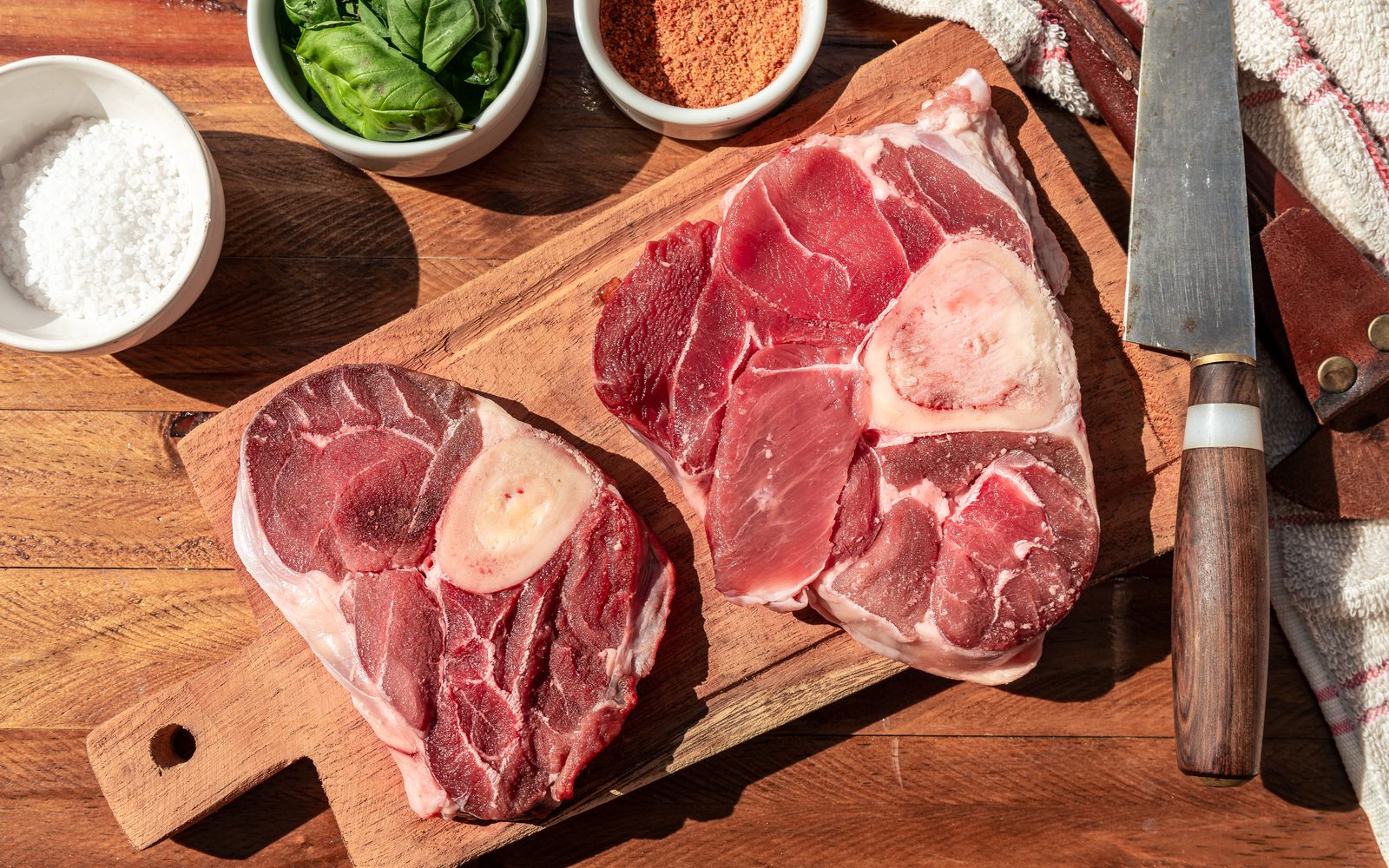
When the weather cools down, nothing beats a slow-cooked meal that fills the house with good smells all afternoon. The good news is that the best cuts for slow cooking are often the more affordable ones. Here's what to look for.
Why some cuts love low and slow
Cuts from the hard-working parts of an animal, like the shoulder, legs and cheeks, have more connective tissue. Cook them quickly and they can be tough and chewy. Cook them gently for a few hours and that connective tissue breaks down, giving you meat that's tender, juicy and full of flavour, plus a rich, silky sauce.
Lean, tender cuts like fillet steak or chicken breast are the opposite. They're best cooked quickly, and long cooking tends to dry them out.
Beef
- Cheeks: incredibly tender after 3–4 hours. Perfect braised in red wine.
- Chuck and blade: great all-rounders for casseroles, pies and curries.
- Brisket: ideal for slow roasting or braising, then slicing or shredding.
- Shin and osso buco: full of flavour, and the marrow bone enriches the sauce.
- Short ribs and oxtail: rich, sticky and best cooked on the bone.
Lamb
- Shoulder: the classic pull-apart roast. Cook it covered at a low temperature for 3–4 hours.
- Shanks: one per person, braised until the meat falls off the bone.
- Neck chops: an underrated, budget-friendly choice for stews and curries.
Pork
- Shoulder: the go-to cut for pulled pork.
- Belly: slow roast for tender meat, then crank up the heat for crackling.
- Hocks: great for adding depth to soups and pea and ham broth.
Chicken
For slow cooking, choose bone-in thighs and drumsticks over breast. They stay moist and tender in casseroles and curries, and they're usually better value too.
Oven, slow cooker or pressure cooker?
All three work well. Choose the one that suits your day:
- Oven: a heavy, lidded casserole dish at 150–160°C gives deep flavour and lets the sauce reduce a little.
- Slow cooker: set it on low in the morning and dinner is ready when you get home. Allow about 8 hours on low.
- Pressure cooker: the shortcut. Most braises are ready in under an hour.
Tips for the best results
- Brown the meat first. Searing in a hot pan before slow cooking adds a lot of flavour. Do it in batches so the pan doesn't crowd.
- Don't drown it. The liquid should come about two-thirds of the way up the meat. Too much liquid makes a thin, watery sauce.
- Keep it gentle. A slow simmer, not a rolling boil, gives the most tender result.
- Make it the day before. Braises improve overnight. Once chilled, any fat sets on top and is easy to lift off.
- Season at the end. Sauces reduce and concentrate, so taste and adjust the salt just before serving.
Ready to get started?
Try our Slow-Cooked Beef Cheeks in Red Wine or our Slow-Roast Lamb Shoulder with Garlic and Rosemary. Both are easy, mostly hands-off and perfect for a weekend at home.