Seafood at Home: An East Coast Guide
- Seafood
- Fish
- Gisborne
- Tips
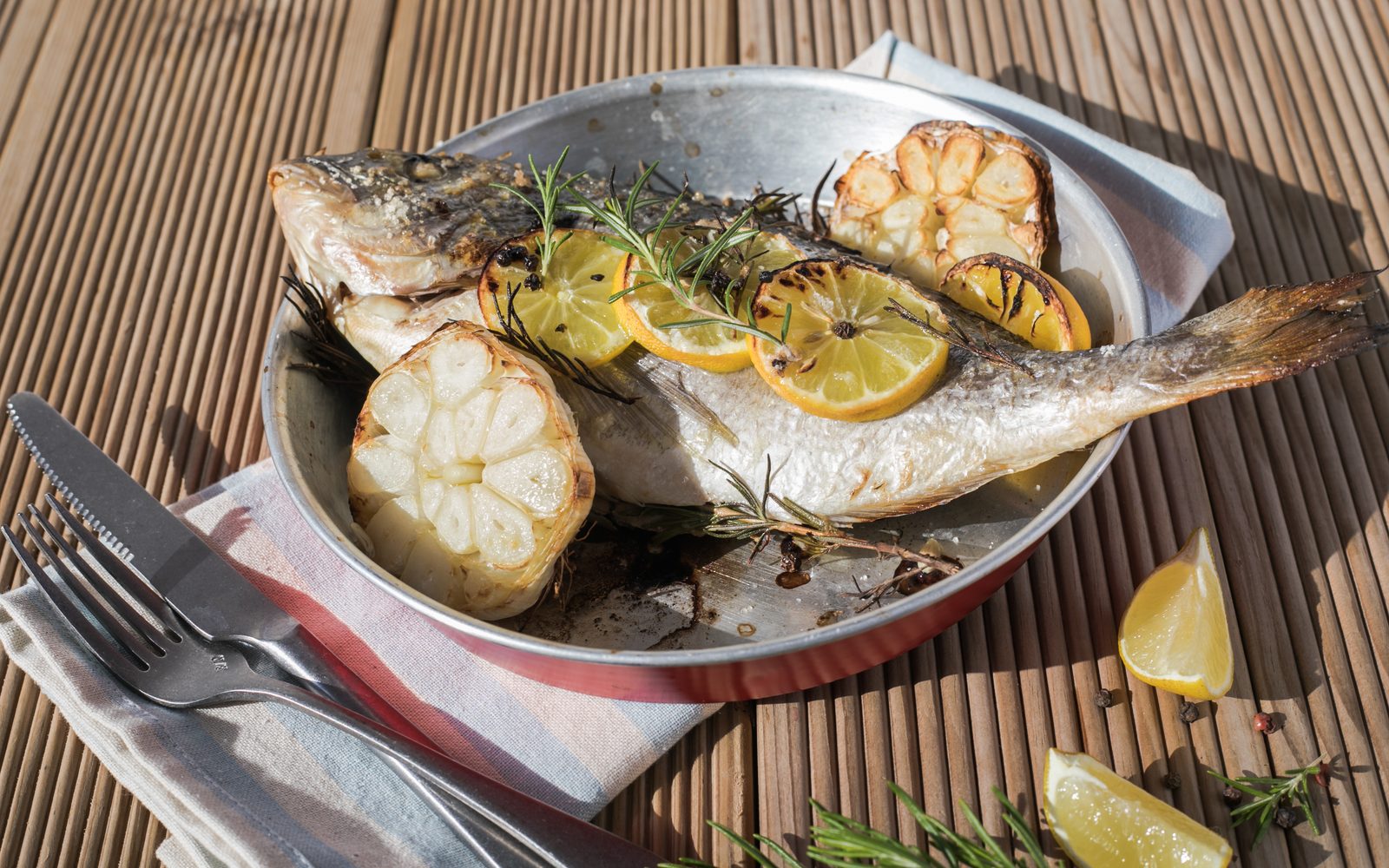
On the East Coast, seafood is part of everyday life. Plenty of Tairāwhiti families have a fishing story or two, a favourite spot along the coast and strong opinions on the best way to cook a fresh fillet. Whether your fish comes from a boat, the beach or the freezer, here's how to make the most of it at home.
Choosing good fish
Fresh fish should smell clean and of the sea, never strongly 'fishy'. Look for:
- Fillets that are moist, firm and glossy, with no browning or dry edges.
- Whole fish with bright, clear eyes, shiny skin and red or pink gills.
- Flesh that springs back when gently pressed.
Don't overlook frozen seafood. Fish, prawns and mussels are often frozen soon after they're caught or processed, which locks in quality. It's also handy to have in the freezer for a quick dinner.
Storing seafood
- Keep fresh fish as cold as possible and cook it within a day or two.
- Store it in a covered container on the bottom shelf of the fridge so juices can't drip onto other food.
- If you've caught your own, get it onto ice as quickly as you can. A chilly bin with plenty of ice makes a big difference to the eating quality.
- To freeze fillets, pat them dry, wrap them tightly and squeeze out as much air as possible.
Thawing frozen seafood
The best way is overnight in the fridge. For a quicker option, seal fish or prawns in a leak-proof bag and submerge them in cold water for 15–30 minutes. Pat seafood dry before cooking, as it will brown much better. Many frozen crumbed fish products are designed to be cooked straight from frozen, so check the packet.
Five easy ways to cook fish
1. Pan-fried fillets
Heat a little oil in a frying pan over medium-high heat. Season the fillets, then cook skin side down (if they have skin) for 2–4 minutes until golden. Flip and cook for another minute or two. Add a knob of butter and a squeeze of lemon at the end.
2. Baked whole fish
Fill the cavity of a cleaned whole fish with lemon slices, garlic and herbs. Drizzle with olive oil, season and bake at 200°C for about 20–30 minutes depending on size. It's an impressive, low-effort dish for sharing.
3. Barbecue parcels
Lay fillets on foil with butter, lemon, herbs and a splash of white wine. Fold into a sealed parcel and cook on the barbecue for 8–12 minutes. There's no sticking and no mess.
4. Crumbed or battered
A Kiwi classic. Serve with chips and salad, or wrap it in a soft tortilla with slaw for fish tacos.
5. Chowder
A great way to stretch a smaller amount of fish further. Add prawns and mussels for a hearty meal in a bowl.
How do you know it's cooked?
Fish is ready when the flesh turns from translucent to opaque and flakes easily when pushed with a fork. It keeps cooking for a minute after it leaves the heat, so take it off just before you think it's done.
Prawns and mussels
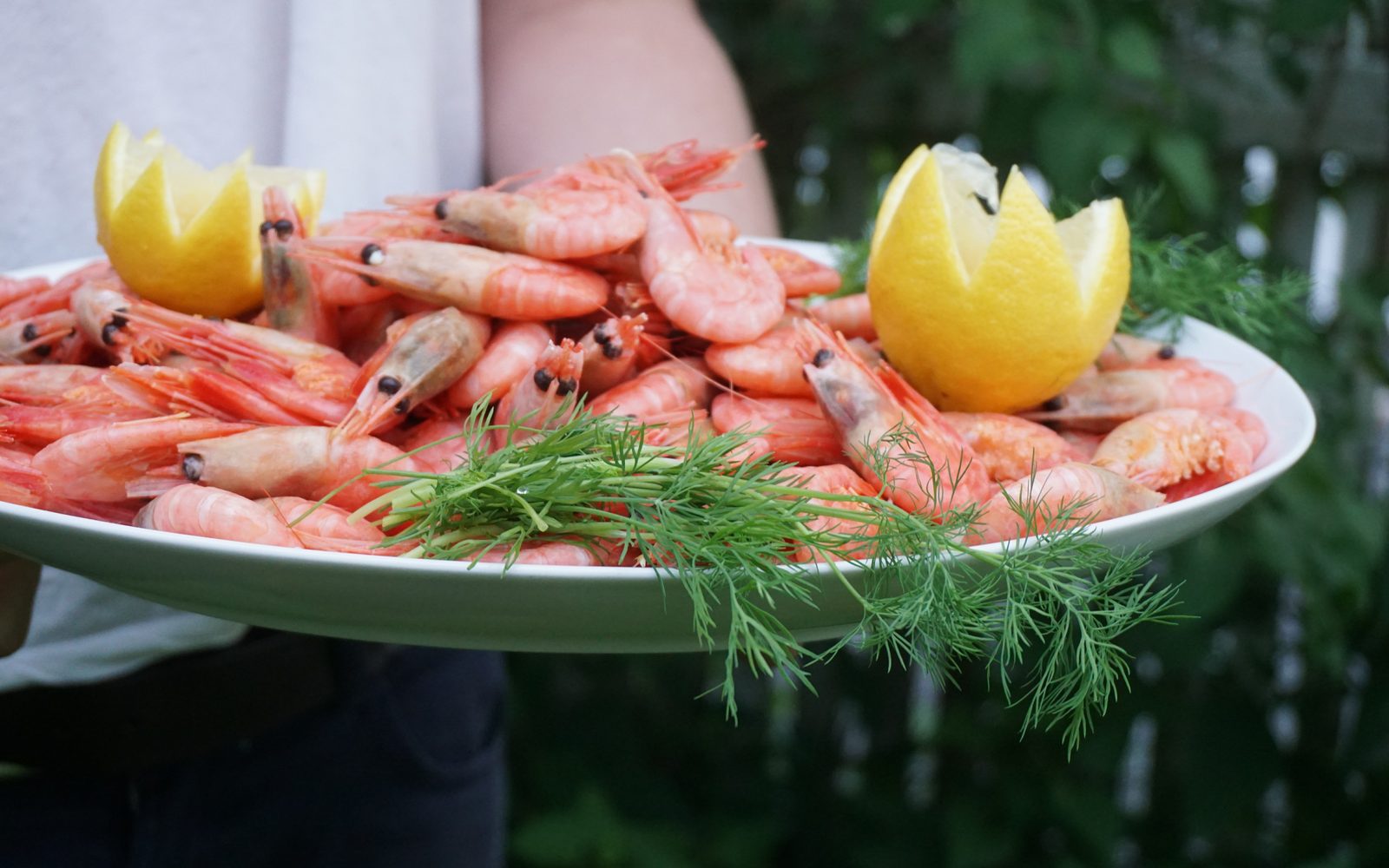
Raw prawns cook in just 2–3 minutes and are done when they turn pink and curl into a loose 'C'. Frozen half-shell mussels are already cooked, so they only need gently heating through, whether that's in a chowder, pasta or under the grill with garlic butter.
Catching your own?
If you're heading out on the water, always check the current recreational fishing rules for size and catch limits before you go. Rules can change and can differ by area.
Recipes to try
Get started with our Creamy Seafood Chowder, Garlic Butter Prawns or Crumbed Fish Tacos with Zesty Slaw.