How to Get the Best from Your Freezer
- Freezer
- Tips
- Meal prep
- Budget
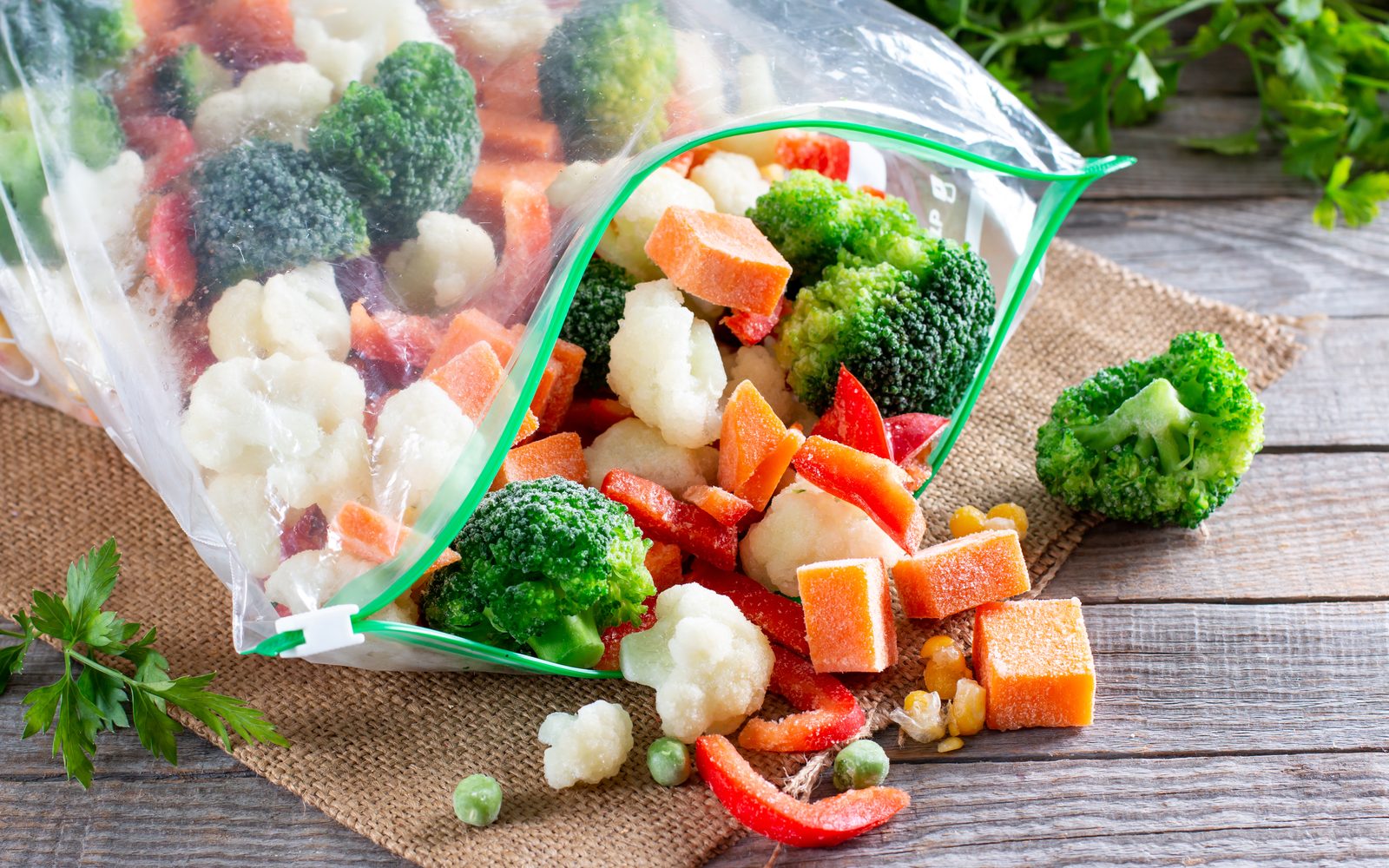
Your freezer is one of the hardest-working appliances in the kitchen. Used well, it means less food waste, fewer last-minute shopping trips and a good meal on the table even on the busiest nights. Here are our best tips for getting the most out of it.
Keep it cold
For safe, long-term storage your freezer should sit at -18°C or colder. An inexpensive freezer thermometer takes the guesswork out of it. Try not to overfill it either. Cold air needs to circulate, so a freezer that's full but not jammed tight works best.
Wrap it well
Freezer burn, those dry, greyish patches on meat, happens when air gets to the food. It isn't harmful, but it affects texture and flavour. To avoid it:
- Use proper freezer bags or airtight containers.
- Squeeze as much air out of bags as possible before sealing.
- Wrap larger cuts in plastic wrap first, then put them in a bag.
- Freeze mince, sausages and stews flat in bags. They stack neatly and thaw much faster.
Label everything
It's amazing how quickly a container of 'something brown' becomes a mystery. Write the contents and the date on every bag or container with a marker pen. Use a simple first in, first out rule: move older items to the front so they're used first.
Freeze in portions
When you bring home a bulk pack of chicken thighs, mince or steak, split it into meal-sized portions before freezing. That way you only thaw what you need. The same goes for soups, sauces and casseroles. Freeze some in single serves for easy lunches.
Thaw safely
How you thaw food matters as much as how you freeze it. The safest options are:
- In the fridge. Put the food on a plate or tray on the bottom shelf so juices can't drip onto anything else. Small items usually thaw overnight; large roasts can take a day or more.
- In cold water. Seal the food in a leak-proof bag and submerge it in cold water, changing the water every 30 minutes. Great for prawns and fish fillets.
- In the microwave. Use the defrost setting, then cook the food straight away.
Avoid thawing meat, chicken or seafood on the bench at room temperature, especially in summer.
Once raw meat or seafood has thawed, cook it before you refreeze it. A cooked casserole or pasta sauce made from thawed mince can go back in the freezer once it has cooled.
Cook straight from frozen
Plenty of things don't need thawing at all. Frozen vegetables can go straight into stir-fries, soups and traybakes. Most crumbed fish and frozen chips are designed to be cooked from frozen, and frozen berries can go directly into crumbles, muffins and smoothies. Always check the packet instructions.
What doesn't freeze well
Most foods freeze happily, but a few don't. Salad leaves, cucumber and other high-water vegetables go limp. Mayonnaise-based dressings can separate, and hard-boiled egg whites turn rubbery. Cooked potato chunks can go grainy in soups, though mashed potato freezes well.
Make a freezer list
Stick a list on the freezer door and update it as you add or use things. It makes meal planning easy and stops you buying another bag of peas when there are already three in there.
Freezer-friendly recipes to try
- Family Beef Lasagne: make two and freeze one for a busy night.
- Lunchbox Mini Frittatas: straight from the freezer into the lunchbox.
- Mixed Berry Crumble: made with frozen berries, no thawing needed.